Building Understanding of Human Rights Early at the Community Safety Village
Our Community Safety Village expanded human rights programming to Grade 6, reaching students at an age where these ideas can have a lasting impact
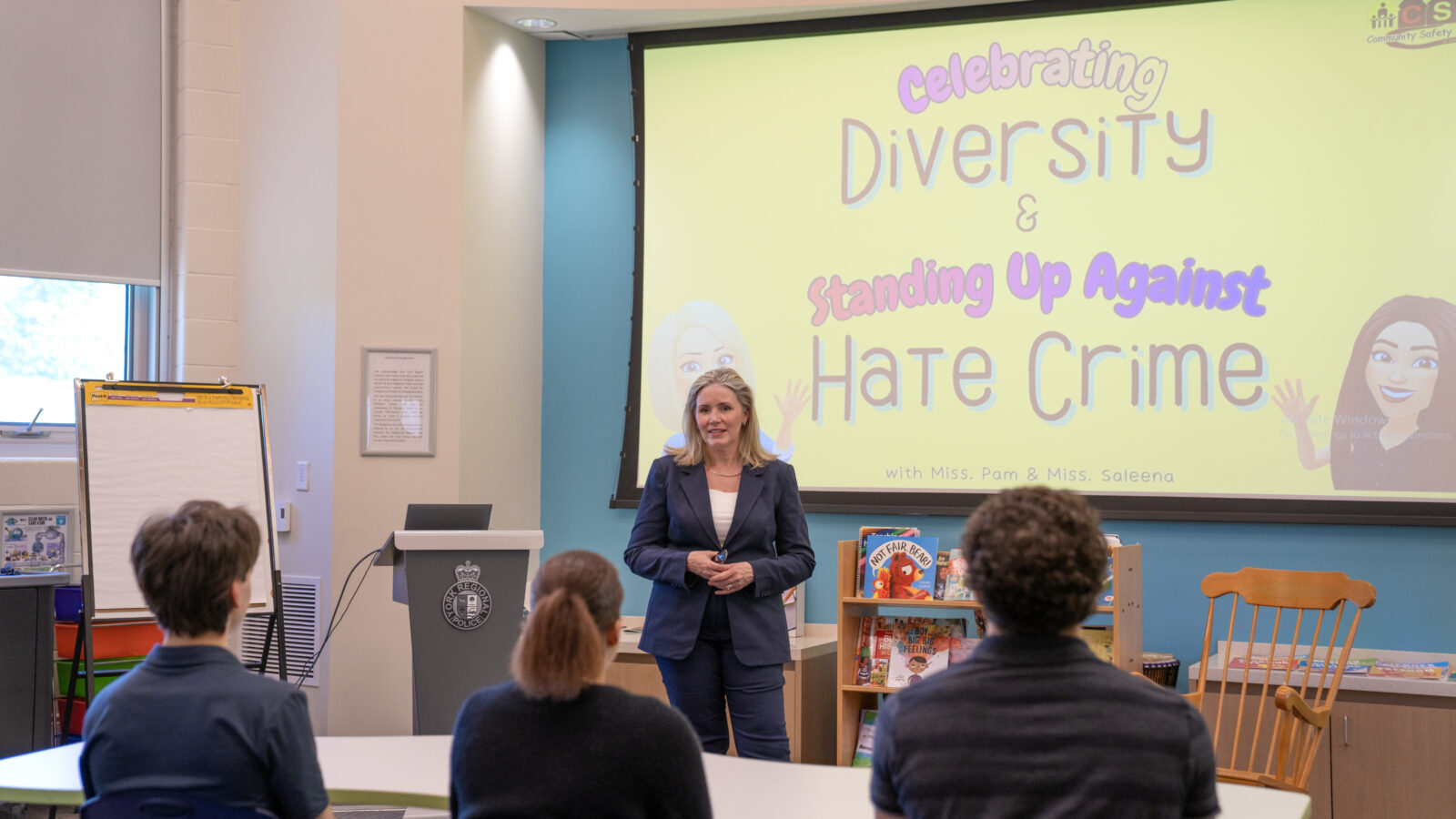
The first of its kind in Ontario, the Human Rights Classroom at the Community Safety Village provides York Region students with age-appropriate lessons that promote global citizenship, hate crime prevention and the importance of peacebuilding, all aimed at creating safe and secure spaces for everyone who calls the region home.
In late 2025, programming at the Human Rights Classroom was expanded to include Grade 6 students. The new curriculum aligns with Ontario’s Grade 6 learning expectations, and introduces complex but relevant topics such as multiculturalism, diversity, misinformation and the roots of hate.
That expansion reflects the broader goal of reaching students early, at a stage when these ideas can have a lasting impact.
“We’re meeting students at the stage they are in,” said Roberto Tomei, supervisor of the Community Safety Village. “We’re talking about things they’re already aware of and helping them understand the importance of celebrating diversity, but also the consequences of intolerance.”
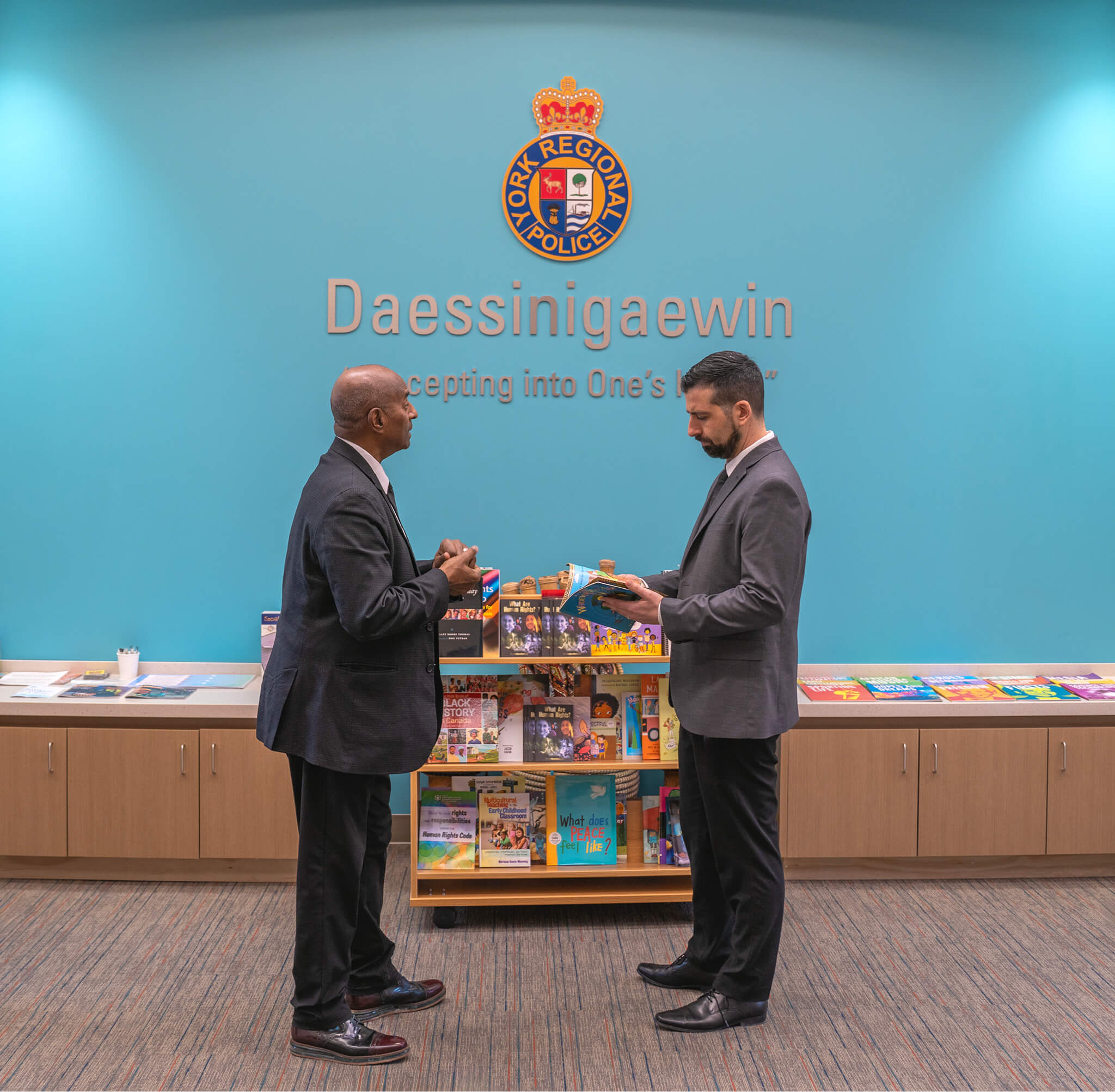
For Senior Human Rights and Community Engagement Advisor Ricky Veerappan, early, age-appropriate education is essential.
“We shouldn’t be learning about human rights for the first time later in life,” he said. “It’s about introducing these ideas early — in ways young people can understand.”
The Grade 6 human rights curriculum is totally unique to YRP. This has allowed Safety Village educators to build content tailored to both local realities and broader societal conversations.
“We had the opportunity to create something new, something that speaks to what’s happening today,” Tomei said. “That’s something we’re very proud of.”
While the full impact may not be immediately visible, Tomei believes the program is laying the groundwork for long-term change.
“We’re planting seeds for the future,” he said. “The hope is that we’re helping create more open-minded people and stronger communities.”
That long-term perspective is central to the program’s design. Veerappan sees the classroom as necessary to promote acceptance in a diverse and growing region. The program is also designed to extend beyond the classroom. Teachers, caregivers and community members who visit the Safety Village are also part of the learning experience, carrying those conversations into their homes, schools and communities.
“We’re not just teaching students,” Tomei said. “Those lessons extend into schools, families and the broader community.”
At its core, the program is simple in its goal but ambitious in its impact. By helping young people understand both their rights and their responsibilities, it aims to build a foundation for a more respectful and connected future.